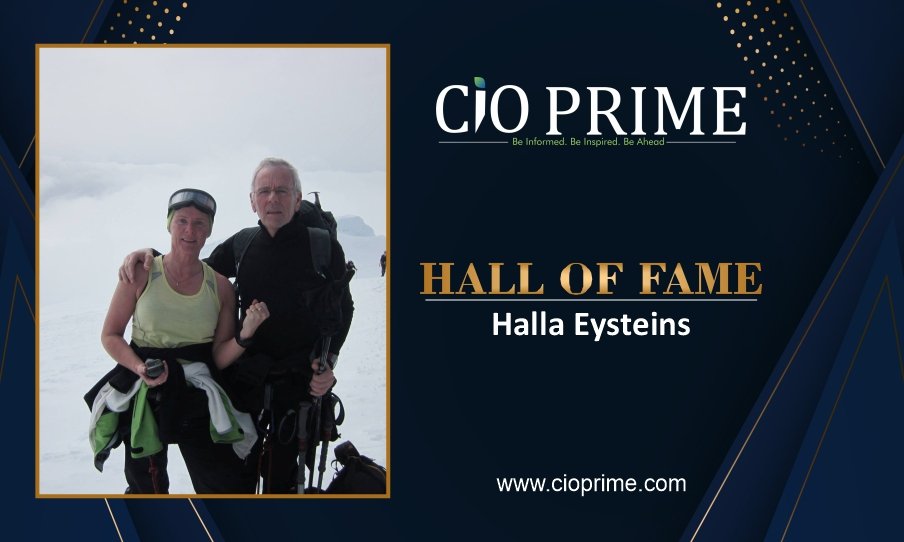
It was one of the most influential experiences of Halla Eysteins professional career as a rescuer that made her an entrepreneur.
Rescuers may have to respond to all kinds of injuries, accidents and health crisis at scene. “In addition, rescuing injured people in the highland can also be extremely traumatic for us as well,” reveals Halla.
Most rescuers in Iceland are volunteers with enthusiasm and a desire to do their best, she informs. “We never know what we will find or how long it will take to find the lost person. Often, we get a call, and a hiker says I am on ‘X’ mountain’ but has no coordinates or GPS location to facilitate the search or shorten our response time.”
What matters most is how long the injured person must wait, even poorly dressed or in wet or windy conditions. As soon as rescuer find the person, they send out the GPS location and use the coordinates and report the situation.
Once, during rescue mission, Halla says they immediately started first aid and isolated the person with blankets, gave hot drinks, and did everything else needed. At the same time, they waited for a rescue bars from a rescue vehicle from the nearest road or from helicopter, near their area. The wait can last several hours, as was the case that time. “Unfortunately, the injured person we found did not survive the wait due to hypothermia.” His heart stopped, and his body could not recover despite CPR and medication.
“I will never forget it, the incident. I was so angry inside. Simply because if we had emergency stretchers in our backpacks, like the ‘Hallas Rescue Stretchers’, we could have shortened the response time by at least two hours and brought the injured person down to the nearest mountain trail much sooner instead of waiting for the ambulances from the outside rescue team to meet us,” she reveals