
The Digital Dollar Revolution: Transforming Modern Commerce Through UPI Payments 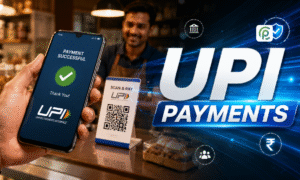
Right now, money moves faster than ever across the world. Leading this change is a method reshaping how folks manage cash every day. Behind it all sits UPI payments – a live link connecting bank accounts instantly through phones (Bagde, 2026; Cornelli, 2024). What began as an idea to cut down paper bills has grown beyond borders. Today, it shapes economies, pulls more people into banking systems, while quietly altering habits around buying and storing funds through UPI payments (Alok & Ghosh, 2026; Bindra, 2025).
From Cash Use to Fast Digital Payments
Long ago, shopping mostly used cash, especially in developing regions because installing regular card machines cost too much and took effort (Vardhan, 2025). A shift began when India’s National Payments Corporation launched the Unified Payments Interface in 2016 under oversight from the central bank (Bagde, 2026; Jain, 2026). Instead of long steps with PINs, card details, and confirmations, it offered a flexible design anyone could build on for payments (Cornelli, 2024; Vardhan, 2025). Sending funds became like typing out a note – simple links such as phone numbers, virtual IDs, or scannable codes replaced old methods (Jain, 2026; Vardhan, 2025).
Out of nowhere, this tech began reshaping how people live and spend. Month after month, transactions climbed – starting small, then jumping past a billion within ten years through payments (Alok & Ghosh, 2026; Jain, 2026). Phones in nearly every pocket helped things move fast, especially when data got cheap and apps made payments simple (Bindra, 2025; Cornelli, 2024). Before long, most folks treated their handsets less like gadgets and more like wallets for UPI payments (Sharma, 2018).
Empowering Small Businesses and Daily Commercial Microtransactions
One of the most notable aspects of the rise of UPI payments is how it democratized digital tools for small merchants and micro-entrepreneurs (Vardhan, 2025). Before this infrastructure existed, small shops and roadside vendors were largely cut off from formal banking and digital commerce because card machines carried high processing fees (Jain, 2026; Vardhan, 2025). By offering a system with zero transaction fees for end-users and merchants, the barrier to entry disappeared through payments (Alok & Ghosh, 2026; Cornelli, 2024).
The shift from person-to-person transfers to person-to-merchant transactions reflects how deeply this tool has integrated into everyday commerce (Routh, 2024). Daily microtransactions at grocery stores, local pharmacies, and restaurants are now dominated by instant scans powered by UPI payments (Routh, 2024). To bridge trust gaps for merchants who couldn’t constantly monitor their screens during busy hours, fintech companies introduced innovative voice-activation boxes that audibly confirm successful payments (Jain, 2026). This unique combination of zero fees, instant verification, and auditory trust transformed casual street vendors into active participants in the formal economy through payments (Alok & Ghosh, 2026; Jain, 2026).
Enhancing Financial Literacy and the Formal Credit Economy
Beyond the simple convenience of avoiding physical cash, the widespread adoption of these digital transactions has had a profound impact on financial inclusion through payments (Mali, 2026). By requiring a functional bank account for setup, the system has encouraged hundreds of millions of unbanked individuals to enter the formal banking system (Bindra, 2025). This integration has built a secure foundation for the “JAM Trinity”—the powerful combination of universal bank accounts, unique digital identities, and mobile connectivity—which ensures that government subsidies reach beneficiaries directly without leakages or delays using UPI payments (Alok & Ghosh, 2026).
Crucially, every transaction creates a secure, verifiable digital footprint (Alok & Ghosh, 2026). In the past, traditional banks rarely extended credit to low-income individuals or small business owners because they lacked formal credit histories or collaterals (Alok & Ghosh, 2026). Today, alternative credit assessment models analyze these consistent transaction histories to accurately evaluate creditworthiness (Alok & Ghosh, 2026). As a result, fintech platforms and forward-thinking banking institutions can now offer small, structured micro-loans, insurance products, and tailored investment options to previously underserved communities, significantly boosting long-term economic resilience through UPI payments (Alok & Ghosh, 2026; Bindra, 2025).
Security Measures and the Path Toward International Expansion
As digital payments become the standard worldwide, maintaining security and combating fraud remain critical priorities for UPI payments (Jain, 2026). Financial regulators and operating entities continue to invest heavily in robust data storage rules, sophisticated encryption protocols, and advanced biometric authentications to protect consumers from sophisticated phishing and cyber threats (Cornelli, 2024; Jain, 2026). These strict consumer protection measures, combined with the underlying efficiency of the architecture, have earned international recognition (Cornelli, 2024; Vardhan, 2025).
The success of this framework has turned it into a highly sought-after economic model globally (Jain, 2026). Nations looking to modernize their financial systems are actively collaborating to build cross-border linkages (Routh, 2024). This international expansion allows travelers and migrant workers to make direct, real-time transfers across countries, removing the friction and high currency-exchange fees traditionally associated with international wire transfers.
By removing transactional friction, lowering operational costs for businesses, and turning daily transactions into accessible pathways for credit, UPI payments have evolved from a local fintech experiment into a cornerstone of the modern global digital economy (Alok & Ghosh, 2026; Bindra, 2025). As innovation drives new features like voice-assisted transactions and offline capabilities, this public digital infrastructure will continue to redefine how the world connects, trades, and prospers.