
Sumit Permar: Forming Success through People, Partnerships, and Progress
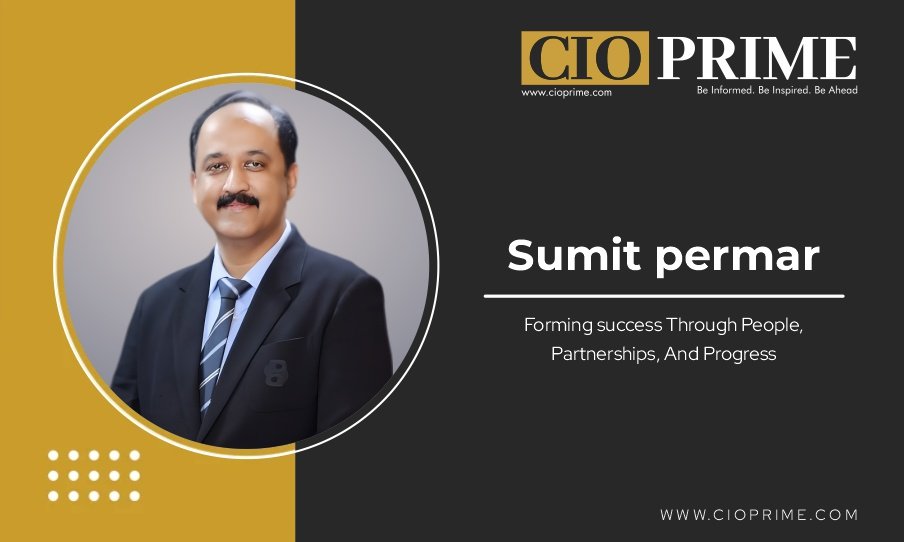
Every industry has its heartbeat. In the world of business process outsourcing, that pulse is driven by people and their ability to adapt, innovate, and deliver. What makes this sector remarkable is not only its scale but also its resilience. Through shifts in technology, markets, and customer expectations, it has continued to reinvent itself while creating opportunities for millions worldwide.
For Sumit Permar, this rhythm became both an inspiration and a lifelong career path. Drawn to the dynamic nature of the industry, he saw in it a chance to transform businesses while shaping lives. Over the course of 27 years, he has built a reputation for driving growth, forging global client partnerships, and leading teams to deliver measurable impact. His work has stretched across the United States, Europe, Philippines, and India, with each region adding a new layer of learning and perspective.
Sumit believes that real success is not measured by figures alone but by the empowerment of people and the trust built with clients. His approach has always been to see opportunity in change and to translate it into progress. This mindset has allowed him to close multi-million-dollar deals while also creating a culture where teams feel valued and inspired.
What keeps him passionate even today is the constant evolution of the BPO industry. Whether through advances in technology or shifts in customer needs, every new development is, to him, a chance to innovate and reimagine what is possible.
In many ways, his story mirrors the story of the industry itself, growing, adapting, and finding strength in transformation.
Cultivating Leadership Through Shifts
Sumit’s journey to becoming a Chief Revenue Officer required continuous shifts in mindset. In the early stages of his career, the focus was on proving capability through hard work and persistence. As his career advanced, the emphasis moved toward building and empowering teams, placing greater value on collective success over individual wins.
Another important transition was the movement from short-term targets to long-term value creation, where revenue growth was balanced with trust, relationships, and sustainability. Finally, adaptability in a constantly growing industry became essential, enabling him to remain agile, innovative, and aligned with both client and market needs.
The Balance of Data and Intuition
In high-stakes situations, Sumit views data and intuition as complementary forces rather than conflicting ones. Data offers structure, trends, and clarity of risk, while intuition, shaped by years of experience, brings context and foresight that numbers alone may fail to reveal.
When both diverge, he ensures the data is validated with rigor and then measures it against the larger business reality, client relationships, and long-term consequences. His approach remains balanced: data refines decisions, and intuition ensures they are practical, human, and directed toward the future. This combination has often guided him toward the most successful outcomes in uncertain conditions.
Redefining Growth with Purpose
Earlier in his career, Sumit defined growth purely in terms of revenue, client wins, and numbers achieved. Over time, this perspective broadened. True growth for him now means creating long-term value through trust-based partnerships, empowering teams, and building sustainable business ecosystems.
Key experiences that shaped this evolution include working across global markets, navigating downturns, and leading large-scale transformations where people and relationships proved just as critical as financial outcomes.
Today, he sees growth as a holistic balance of financial success, client satisfaction, and the professional development of the people driving it.
Strength in Discipline and Perspective
Resilience, for Sumit, arises from discipline and perspective. He focuses on maintaining clarity during setbacks by breaking challenges into smaller, actionable goals and keeping teams motivated through transparency and trust.
Reflection plays an important role in his approach, looking at what worked, what did fail, and how adaptation can happen quickly, rather than dwelling on the loss. He also relies on consistent routines such as structured planning, mentorship conversations, and open dialogue with his teams, which sustains energy and morale. Above all, he views missed targets as opportunities to innovate and build stronger foundations for future success.
Building Alignment Through Shared Vision
Trust and alignment begin with a shared vision. Sumit focuses on creating a unified narrative where sales, marketing, product, and customer success view themselves as co-owners of client outcomes rather than separate functions.
Transparency in goals, regular cross-functional reviews, and the celebration of collective achievements help close incentive gaps. He also encourages open dialogue to surface friction at an early stage and resolve it constructively. By aligning incentives around long-term customer value instead of short-term metrics, teams move from competing priorities to a common purpose, delivering sustainable growth and stronger client relationships.
Lessons that Formed Leadership
One pivotal failure in the early years of his career came from focusing too heavily on closing deals quickly, without fully aligning client expectations. While short-term targets were achieved, relationships were strained. This experience revealed that sustainable growth comes only through trust.
The lesson transformed his leadership style. He began to emphasize transparency, long-term value creation, and the practice of deeply listening to both clients and teams. It also reinforced the importance of coaching his teams to see setbacks as lessons that strengthen strategies and build resilience, rather than viewing them as losses.
Equalizing Stability and Innovation in Revenue Strategy
Revenue strategy, in Sumit’s view, is a balance between consistency and calculated risk. When a proven path continues to deliver sustainable value and aligns with market demand, he focuses on scaling it to its maximum potential. Yet, when signs of saturation, evolving customer needs, or emerging technologies appear, he turns to disruptive approaches.
For him, the essence lies in creating space for both—safeguarding the core while experimenting at the edges. His decisions are guided by data-backed insights, client feedback, and market foresight, which enable him to identify the right moment to pivot. Through this approach, he ensures growth that is steady in the present and well-prepared for the future.
Creating Lasting Value
Over the years, Sumit has learned that true value creation extends beyond revenue figures. He measures it through client trust, long-term partnerships, employee growth, and the capacity to positively influence business ecosystems.
Retention rates, client advocacy, and the growth of multi-year relationships hold equal importance to quarterly revenues. His perspective is shaped by experience, observing that numbers may win a quarter, but trust and people sustain success for decades. For Sumit, value emerges when clients perceive the organization as a strategic partner that consistently delivers impact and innovation.
The Power of Trust in Leadership
One of the most significant lessons learned in leadership is that true leadership involves trusting others with ownership, even when the stakes are high. Early in the career, there was a struggle with letting go, driven by fear of losing control.
Over time, it became clear that empowering others builds accountability and unlocks creativity and resilience far beyond what a single leader can achieve alone. Vulnerability, in this context, transforms into strength, allowing mentoring, delegation, and the creation of a culture where teams feel trusted to deliver. Letting go has been essential to expanding both revenue and leadership impact.
Balancing Today with Tomorrow
Guarding against short-termism requires discipline and conviction. Quarterly results carry importance, yet they should never compromise long-term value. Sumit remains anchored by aligning strategies with client trust, sustainable partnerships, and market foresight rather than focusing solely on immediate numbers.
Transparent communication with boards and investors forms a crucial part of his approach. He emphasizes how current investments in people, technology, and relationships will translate into future resilience and growth. Balancing short-term wins with long-term vision demands effort, but it remains essential for establishing enduring revenue leadership.
Leading Through Human Challenges
Leading revenue extends far beyond numbers and dashboards. The most demanding aspect lies in guiding the emotions, aspirations, and resilience of people when pressure reaches its peak. Targets can be missed, markets can shift, yet the human impact, stress, self-doubt, or fatigue, weighs most heavily.
Sumit continues to seek the right balance between driving high performance and safeguarding well-being. What keeps him grounded is open dialogue, empathy, and reminding teams that setbacks remain temporary, while trust, morale, and culture sustain long-term success.
Principles That Drive Leadership
The ethos of revenue leadership rests on five core principles: trust, transparency, resilience, empathy, and value creation. Trust forms the foundation, as partnerships and teams flourish when it is strong. Transparency brings clarity to goals and ensures accountability at every level. Resilience enables adaptation when markets shift or challenges arise.
Empathy emphasizes that behind every number lie people, clients, employees, and partners. Value creation directs focus toward building something enduring, rather than pursuing short-term gains. These guiding truths have shaped a career across decades, demonstrating that revenue leadership revolves around people, purpose, and impact, alongside measurable results.
Read the full magazine edition: Click Here