
Nvidia CEO Jensen Huang Drives AILed Global Business Shift
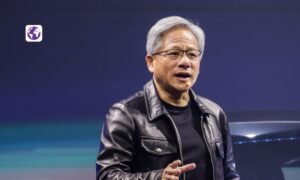
Right now, few voices shape tech like Jensen Huang’s. His path began far from boardrooms, yet here he stands – leading a shift no one saw coming. Instead of chasing trends, he stayed focused on speed, power, efficiency. That choice changed everything. Suddenly, chips once meant for screens found purpose inside self-driving cars, medical scanners, even climate models. Big names in cloud computing depend on his hardware just as much as tiny teams training new algorithms overnight.
You can’t build modern AI without bumping into Nvidia’s tools somewhere along the way. Factories, hospitals, defense projects – they’re all pulling from the same stack. Even governments adjust plans because these processors are so hard to get. Shortages aren’t rare; they define the market. Some say strategy across Silicon Valley rewired itself around what Huang decided years ago. Power isn’t always loud. Sometimes it hides in silicon pathways and thermal limits others refused to push. Now rankings place him high – not for flash but impact. What runs the unseen layers of digital life? Often, it bears his company’s name.
Instead of selling only chips, Nvidia builds entire systems – complete with software tools like CUDA, ready-made AI setups, and custom data center plans – making it hard for big clients to switch away. Because of this tight setup, companies like Microsoft Azure, Amazon Web Services, and Google Cloud rely heavily on Nvidia gear when constructing vast AI-powered computing hubs. Car makers also tap into those same processors to teach self-driving vehicles how to operate safely.