
How Steve McMichael Became a Hall of Fame Defensive Tackle
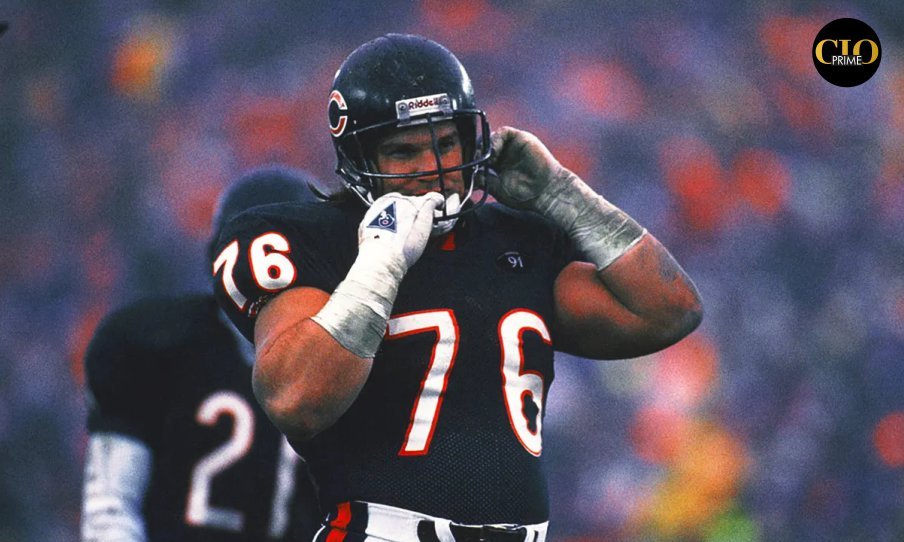
Millions of fans know Steve McMichael by his nickname. He earned that label through grit and consistency, not flashy headlines. His journey toward Pro Football Hall of Fame recognition did not follow a scripted path. He carved his place in football history through determination and grounded performance.
Steve McMichael grew up around football. His early days shaped his understanding of effort and attention to detail. His high school coaches taught him fundamentals that carried him forward. These lessons mattered when he reached college, where the stakes rose.
At the University of Texas at Austin, part of the Steve McMichael Texas Longhorns chapter, his career gained traction. That stage demanded deeper discipline. He learned film study, refined his technique, honed his reads. That preparation turned into results on the field. He stood out among peers. His tackling and presence drew attention from scouts.
Joining the NFL: Draft and Early Challenges
When the NFL draft arrived, Steve McMichael entered prepared yet under the radar. Early challenges tested his physical and mental resolve. Competition for roster spots presented pressure few face. He adjusted to speed and complexity at the professional level. Gradually he earned respect among teammates and coaches.
A turning point came when he joined the Chicago Bears. That franchise offered structure and culture that matched his work ethic. He found a fit in a system built for physical, relentless defense. The Chicago Bears needed a standout interior presence. Steve McMichael delivered that consistently.
Playing Style That Defined His Career
He played with style that made lasting impressions on fans and opponents. His stance suggested readiness. His hands engaged blockers quickly. His vision produced tackles in tight spaces. He tackled runners and disrupted plays behind the line. His presence affected opponent game plans. They accounted for his ability to push the pocket and clog running lanes.
Every season added value to his résumé. In one year the Chicago Bears reached Super Bowl XX on a historic run. Steve McMichael played every down of every playoff game that season. He anchored the defensive line with authority. He drew attention without showboating, with fundamentals that matter.
Off field he embraced leadership. He mentored younger linemen. He insisted on preparation that mirrored his own. He advocated for film room work and strength routines. That example changed teammates who adopted similar standards. He earned trust from coaches and respect from players.
He carried that model into the locker room. He spoke plainly. He expected accountability. He encouraged focus without preaching. His presence made culture better. That impact mattered when postseason pressures rose. He helped the group remain steady when distractions threatened.
He engaged in community efforts throughout his career. He participated in outreach programs and public appearances. He used his platform to inspire young athletes in Chicago and Texas. He spoke at youth clinics. He encouraged education. That presence shaped public perception of Steve McMichael as grounded and accessible. He never projected distance from fans. Instead he welcomed their interest with sincerity. His interactions helped strengthen bonds between team and community. That goodwill added another layer to his legacy. It highlighted that impact continues beyond the field. It confirmed that preparation and humility can coexist with competitiveness and recognition.
Path to Hall of Fame Recognition
He also adapted to changing dynamics across decades. When offensive schemes evolved, he adjusted posture and technique. When pass rush priorities changed, he found counters. He embraced training advances in agility. He incorporated scientific methods into workouts. He invested in nutrition. He read football publications. That openness to evolution extended his peak. It allowed Steve McMichael to remain relevant even as game complexity increased. That side of his career demonstrates that adaptability matters. Pro Football Hall of Fame careers often rely on maintaining relevance as game evolves. He managed that with proactive learning.
Tracking his path toward the Pro Football Hall of Fame requires context. Hall of Fame voters consider impact, legacy, and consistency across seasons. Steve McMichael posted double digit sack totals in key years. His tackles and tackles for loss compiled quietly in stats sheets and memory. Analysts credited him for being an unsung hero of defense. He helped anchor the great 1980s Chicago Bears teams, widely remembered as among the best defenses in league history.
His Hall recognition resulted partly from his on field excellence and partly from his broader contribution to the game. He embodied a brand of toughness that fans respect. He offered storytelling power during broadcasts, expanding his connection to the sport. That broader footprint enhanced his candidacy.
He made the Pro Football Hall of Fame conversation more than performance numbers. He represented an era that valued swampy trenches and grinding yards. He represented a Chicago identity tied to blue collar toughness and loyalty. He became part of a narrative cherished by fans and voters alike.
Recognition did not come instantly. He appeared on semifinalist lists. Analysts debated comparisons with other interior linemen. He stayed patient. He stayed engaged in the football world. He encouraged grassroots support from Chicago Bears fans who understood his impact. That broader acknowledgment moved the needle.
Eventually his induction arrived. That moment rewarded decades of consistency and effort. It captured more than numbers. It captured memories of Steve McMichael standing at the line, ready, set, go, every time. Hall ceremonies recounted his signature plays. Peers spoke of his quiet confidence. That moment offered closure on a career built with discipline and intimacy to the game.
His legacy persists. Young players study his angles and technique. Coaches replay his film when teaching interior line play. His path offers lessons on fundamentals and preparation. His leadership style still resonates with players who value clarity, persistence, and team first thinking.
To reflect on his rise is to consider a model of excellence without flash. He never chased highlight reels. He chased preparedness. He chased standards. That approach propelled him into football immortality. It suggests that consistent excellence, delivered modestly and passed on generously, carries weight.
If the goal for current players includes Hall of Fame aspirations, here lies a central lesson. Do the small work. Own every snap. Lead quietly. Master fundamentals. Build trust quietly, week after week, season after season. That path may not fill highlight reels quickly, but it fills legacy.
Reflect on Steve McMichael’s journey when defining enduring greatness. His path reminds us that toughness paired with technique and a thoughtful mindset wins respect across decades. His career remains a reference point for players, analysts, fans, coaches, anyone seeking a blueprint for a football life that matters deeply. From the Steve McMichael ALS battle to memories of his time with the Steve McMichael Texas Longhorns, his story spans triumph, resilience, and cultural impact.
His story changes the game by inviting attention not only to performance but to preparation. It encourages a return to fundamentals, the steady grind of excellence discovered when attention to detail meets consistent effort. That perspective extends value far beyond a single game. It also recalls his Steve McMichael wrestling Four Horsemen days, showing the breadth of his influence.
So let this narrative shift thinking about what becoming a Hall of Fame defensive tackle might require. It may require flash for some, but for enduring impact it may require preparation, conviction, and quiet leadership. That is how Steve McMichael, through grit, adaptability, and the courage displayed in the Steve McMichael ALS battle, became a Hall of Fame defensive tackle.
Read More News : Click Here