
Can Green Energy End Our Dependence on Fossil Fuels
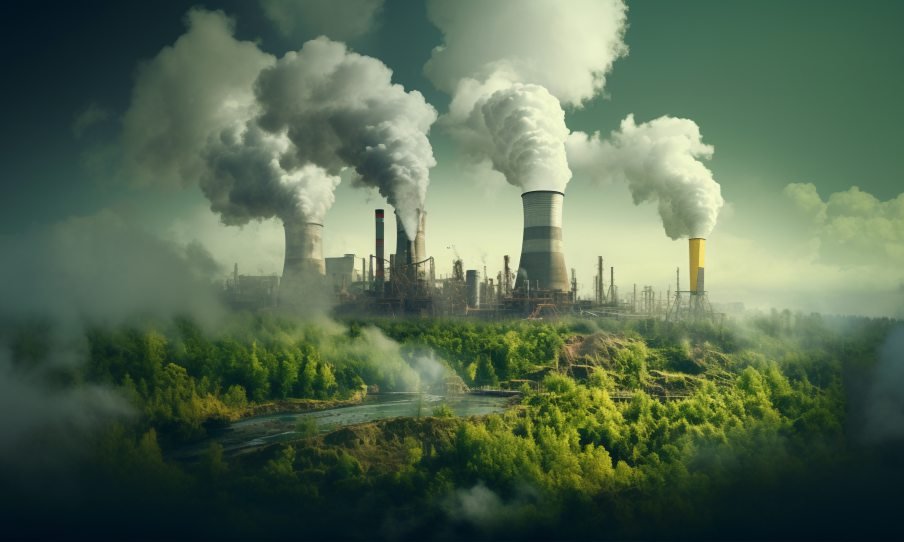
Humanity has relied on fossil fuels for more than a century. Coal, oil, and natural gas have powered factories, heated homes, and moved vehicles across continents. This dependence shaped economies and geopolitics, but it also created rising carbon emissions and growing environmental stress. Many countries now look to renewable energy as a path toward stability and a healthier planet. The question is whether green energy can fully replace fossil fuels or whether the transition will be more complex than it first appears.
Understanding the Shift from Fossil Fuels
Fossil fuels dominated modern development because they were easy to store, dense in energy, and supported by vast infrastructure. Power grids, highways, and industrial systems were built around them. Any transition must work within this legacy. This is why experts often describe the shift as a long road rather than a sudden leap.
Renewables such as solar, wind, hydro, geothermal, and modern bioenergy have risen sharply in the past decade. According to the International Energy Agency, renewables became the fastest growing source of electricity worldwide. Solar and wind have the lowest cost of new power generation in many regions, which moves them from niche to mainstream.
The Strength of Solar and Wind Power
Solar and wind are now the backbone of the renewable revolution. Solar panels convert sunlight to electricity without fuel. Wind turbines harness air movement to produce power. Both require no combustion and no direct emissions. Their growth comes from falling manufacturing costs, improved efficiency, and strong policy support.
The challenge is that both are variable. Solar depends on daylight. Wind depends on local patterns. This variability creates pressure on grids built for steady fossil fuel output. Storage solutions such as lithium ion batteries, pumped hydro, and emerging long duration systems are improving, and that helps smooth these fluctuations. Grid operators are learning to balance renewable supply with clever forecasting and more flexible demand.
The Role of Hydro and Geothermal Energy
Hydropower is one of the oldest renewable sources and already provides about 16 percent of global electricity. It offers stability because water flow can be controlled. This makes hydro a strong partner for solar and wind, although new large projects face environmental and social concerns.
Geothermal energy draws heat from below the Earths crust. It provides steady output similar to fossil fuel plants but without emissions. Its use remains limited to regions with accessible geothermal resources, but new drilling techniques may expand its availability.
The Rise of Green Hydrogen
Green hydrogen has gained attention as a possible replacement for fossil fuels in sectors that are difficult to electrify. Industries such as steelmaking, shipping, and aviation require intense heat or long range fuel. Green hydrogen is created by splitting water using renewable electricity. It produces only water vapor when used.
The challenge is scale. Current production remains small and costly. The hope is that as renewable power becomes cheaper and electrolysers improve, green hydrogen can serve as a flexible energy carrier.
Can Renewables Fully Replace Fossil Fuels
This is the core question. Many studies suggest it is technically possible to reach very low fossil fuel use by mid century. The United Nations Intergovernmental Panel on Climate Change reports that renewable energy must supply the majority of global electricity by 2050 to meet climate goals. Some countries already show how fast progress can happen. Iceland and Norway generate almost all their electricity from renewable sources while maintaining strong economies.
Still, a global shift requires coordination, investment, and technology growth. Electricity grids need expansion. Storage systems must increase. Policies must guide industry and consumers through the transition. Many regions still depend on fossil fuel revenue or lack the infrastructure to scale renewable power quickly.
Economic and Social Considerations
Energy transitions affect communities. Fossil fuel regions face job losses and economic uncertainty. A successful green transition needs training programs, new investment, and support for workers. The International Labour Organization estimates that the clean energy transition could create more jobs than it displaces if countries plan carefully.
Renewable energy also reshapes global politics. Countries rich in oil have held strategic power for decades. In a renewable world, sun rich and wind rich regions gain new influence. This shift might reduce conflicts tied to fossil fuel reserves, but it also introduces new dynamics based on mineral supply for batteries and solar panels.
Environmental Impact of Going Green
Renewables reduce carbon emissions, which lowers climate risk. They also cut pollution that harms human health. The World Health Organization links millions of premature deaths each year to air pollution largely from fossil fuels.
Renewables are not impact free. Solar panels and wind turbines require minerals and land. Hydropower can disrupt ecosystems. The goal is to manage these impacts responsibly through recycling, smart planning, and advances in material science. The overall environmental footprint of renewables remains far lower than fossil fuels across their full life cycle.
What the Future Looks Like
The world will not switch off fossil fuels overnight. Oil and gas will still play roles during the transition, especially where alternatives are not yet ready. But the direction is clear. Renewable energy is growing faster each year. Costs fall as technology matures. Countries invest because the benefits reach beyond climate action. Cleaner air, stable energy prices, and energy independence all matter.
A full transition requires patience and ambition. It asks societies to build new systems while keeping existing ones running. It demands steady policy, public support, and continuous innovation. If these pieces align, green energy can significantly reduce and eventually replace most fossil fuel use.
Read More Articles: Click Here