
A Leader Guiding Children Unearth Their TrueAbility – Prof (Dr) Mallikarjuna Rao Dubisetty: Bridging the Gap Between Digital Technology and Neurodiversity Challenges
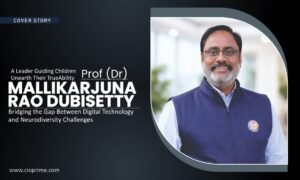
Global healthcare and technology are a dynamic and vast landscape. In it, Prof. (Dr) Mallikarjuna Rao Dubisetty emerges amongst those few individuals who possess a vision that bridges the gap between sophisticated digital systems and the delicate needs of the human spirit. A leader who has spent over twenty-eight years defining what it means to lead with both knowledge and deep empathy, Prof (Dr) Mallick today is celebrated as a legend by many. As the the Chairperson of the Smiles Foundation & World Autism Society, Vice President of Strategy and Execution at Helixbeat. He operates at a unique intersection. He is a technology veteran who has shaped the systems of industry giants like IBM and Accenture. Still, he is also a father and advocate who has dedicated his life to the care and research of autism.
An accomplished parent advocate for an autistic child, certified Special Educator, and Early Intervention Specialist with expertise in crossdisability and neurodevelopmental disorders, Prof (Dr) Mallick is a seasoned Healthcare and Life Sciences Technology Architect and a Doctoral Research Scholar focusing on True Ability and neurodiversityrelated challenges.
He is also recognized internationally as an author, speaker, and presenter, with a strong record of driving transformative initiatives in early intervention, inclusive education, healthcare, and Rehabilitation technology innovation. Reflecting on his story, Prof (Dr) Mallick says that his journey has been marked by a commitment to leveraging AI-driven analytics, cloud solutions, and strategic leadership to enhance operational efficiency and patient care. He has a proven track record of managing multi-million-dollar budgets and leading large-scale digital transformation initiatives that align with corporate objectives and foster sustainable growth.
The Spectrum of Potential
Throughout his career, Prof (Dr) Mallick says, “I have had the privilege of working with industry giants like IBM, Kyndryl, Accenture, Apollo Hospitals, NISC, NIIT,” where he contributed to significant advancements in healthcare technology. As a recognized international speaker and thought leader, Mallick has addressed over 100 healthcare CIOs at prestigious events, sharing insights on the future of healthcare technology. “My passion for inclusion and diversity drives my work as the Chairperson of True Ability KIN, where I advocate for mental health and disability initiatives within corporate ecosystems,” he shares. His work is defined by a mastery of digital transformation, where he has successfully managed multi-million-dollar budgets to implement cloud solutions and AI-driven analytics. These efforts are not merely about efficiency but about aligning technical innovation with corporate goals to foster growth that is both sustainable and impactful for patient care.
Connecting Technology and Compassion for Lifelong Inclusion
Beyond his corporate success, he is a dedicated advocate whose personal journey as a parent of an autistic child has shaped his professional mission. As a certified Special Educator and Early Intervention Specialist, he possesses deep expertise in neurodevelopmental disorders and cross-disability challenges. He is currently a Doctoral Research Scholar focusing on the concept of TrueAbility, exploring how society and the workplace can better support neurodiversity. This unique combination of technical skill and specialized care allows him to lead initiatives in inclusive education and rehabilitation technology with a perspective that is both rare and necessary.
Pediatric to Geriatric P2GLife Program – From First Steps to Golden Years: Celebrating Every Ability, Every Age
Prof (Dr) Mallick believes, “Gratitude unlocks the fullness of life-it turns what we have into enough and more. We celebrate the strength, resilience, and brilliance of our TrueAbility Allies-students, parents, doctors, therapists, and researchers-who make inclusion a reality every day.” His mission has expanded into a holistic program known as P2GLife, which stands for Pediatric to Geriatric Life Services. This initiative reflects his belief that healthcare should not be a series of disconnected events but a continuous journey of support from birth through the senior years. The program begins with a focus on the very first stages of life, offering prenatal and postnatal screenings combined with early intervention for TrueAbility, his term for those navigating cross-disabilities and neurodiversity. By identifying needs early, he ensures that children have the best possible start, providing a foundation for independent living and growth.
The reach of P2GLife extends to the elderly, where Mallick emphasizes a second-opinion culture and personalized home care pathways. His geriatric care model integrates rehabilitation services and mental health support, ensuring that aging is met with dignity and specialized attention. This comprehensive approach is backed by his ongoing academic and research publications, which aim to address the critical need for skilled resources in these specialized fields. He bridges the gap between scientific theory and practical care, creating a system where every age group is valued and supported by the latest advancements in healthcare.
*Prenatal, Perinatal, Postnatal, and Preschool screening with early intervention of TrueAbility (Cross Disabilities and Neurodiversity).
*Geriatric Care (Second Opinion, Rehabilitation Services, mental health, Personalized health, and Home Care Pathways).
*Academic & Research Publications and the Need for Skilled Resources.
*Global Capability Centre inception to support TrueAbility Persons Pediatric and Geriatric with advisory for Health and Wellness Tourism.
The year 2026 marks a profoundly meaningful milestone for Prof. (Dr.) Mallick—a year in which a longheld vision takes living shape through the establishment of the World Autism Society (WAS). This moment is more than a launch; it is a heartfelt promise to build stronger international support services and to nurture community development for autistic children and the families who walk beside them every day.
WAS is not simply a new organisation—it is the beginning of a compassionate global movement. It is a shared space designed to connect and uplift the entire autism community: children on the spectrum, their parents and caregivers, teachers who guide with patience, therapists who support growth with care, volunteers who give their time with love, researchers who expand what the world understands, and NGOs working with purpose across countries and cultures. Within this forum, every individual and every family story matters—because awareness does not grow through facts alone, but through human experience, dignity, and connection.
At its heart, the mission of WAS is simple yet powerful: to bring together global teams committed to autism support and to widen the circle of understanding by encouraging members to share experiences, learn from one another, and stand together—across borders, languages, and backgrounds. By creating pathways for collaboration and listening, WAS aims to help communities adopt more inclusive practices, strengthen support networks, and ensure that no parent feels isolated and no child feels unseen.
Each year on 2 April, the internationally recognised World Autism Awareness Day becomes an especially powerful moment for the WAS community. It is a day for members around the world to unite in one voice—raising awareness, encouraging acceptance, celebrating neurodiversity, and renewing a shared commitment to a world where every autistic child is respected, supported, and included. Through WAS, 2 April becomes more than a date on the calendar—it becomes a global reminder that compassion can travel farther than distance, and that together we can build a future where every child is not only seen, but truly cherished.
Early Intervention Services — Smiles EIC
Smiles Early Intervention Centre (Smiles EIC) is a child development and early support centre for cross disabilities and autism. Our early intervention services are designed for infants, toddlers, and young children—and also extend guidance and continuity of care for young people who may be at risk of developmental delays or who need structured support to reach their fullest potential.
Early intervention is a purposeful, stepbystep process of identifying developmental needs early and providing timely, evidenceinformed support—at the stage when a child’s brain and learning pathways are most responsive to change. When we act early, we do not wait for challenges to grow into barriers. Instead, we support the child and family from the very beginning—so progress becomes possible, confidence becomes visible, and everyday life becomes easier to navigate.
The early intervention process at Smiles EIC typically includes:
- Early identification and screening of developmental concerns (communication, social interaction, behaviour, learning, sensory needs, motor skills, attention, and daily living skills).
- Comprehensive assessment to understand the child’s strengths, needs, and the supports that will make the greatest difference.
- Individualised intervention planning with clear goals that are meaningful for the child and practical for the family.
- Therapy and skillbuilding programs delivered through structured sessions and guided practice.
- Parent and caregiver coaching, because progress is strongest when support continues at home—every day, in real routines.
- School and teacher collaboration to help children succeed in classrooms and peer settings.
- Regular review and outcome tracking so the plan evolves with the child’s development.
Effective early intervention helps to prevent problems from taking root and to address concerns headon—before they become more complex. It supports foundational areas such as communication, social connection, emotional regulation, behaviour, play, learning readiness, independence, and adaptive life skills. Over time, these abilities become the building blocks that prepare a child not only for school, but for adult life—with stronger coping skills, better participation in community life, and greater selfconfidence.
In medical terms, there is a proverb: “Prevention is better than cure.” In early childhood, this becomes even more meaningful—because early intervention is often like “half the cure”. When hereditary factors and environmental learning challenges are recognised early, they can be understood, measured, and addressed through wellnessbased, developmentfocused programs. The earlier we begin, the more opportunities we create—for the child to learn, adapt, and thrive with the right support at the right time.
Global Innovation and Inclusive Progress
Prof (Dr) Mallick is also pioneering the inception of a Global Capability Centre specifically designed to support individuals within the TrueAbility community, both in their youth and in their senior years. This center serves as a hub for innovation, offering advisory services for health and wellness tourism that caters to the unique needs of those with disabilities. By integrating these services on a global scale, he is opening new doors for inclusive travel and international care standards. His work ensures that a person’s ability to explore the world and access top-tier wellness is not limited by their physical or neurodevelopmental challenges. “Our goal is to create a world where technology and compassion work together to support every stage of human existence. From a child’s first screening to an elder’s home care, we are building a life-long sanctuary of health and wellness.” Through his blog, SameStory, Prof (Dr) Mallick shares the real-life experiences that fuel these ambitious projects. He uses the platform to tell the stories of those he serves, proving that while every journey is unique, the need for dignity and quality care is a shared human narrative. As he leads these diverse initiatives in 2026, he remains focused on the future, where the digital economy and healthcare innovation combine to create a society that truly honors every person’s ability. The story of P2GLife is an ongoing effort to reshape the landscape of care, ensuring that no one is left behind at any point in their life.
A Sanctuary for Growth and Learning
Prof (Dr) Mallick has extended his vision of care through the Smiles Foundation, a dedicated NGO in India that serves as a vital support system with ‘Autism Help‘ for children with autism and their families. At the heart of this foundation is the belief that every child deserves a chance to thrive in a typical environment. The organization provides free assessments and parent counseling to ensure that families are never left to navigate the complexities of neurodiversity alone. By focusing on early intervention, Prof (Dr) Mallick and his team work to transform the lives of these children, guiding them toward independent living and helping them gain admission into mainstream schools.
The foundation offers a comprehensive suite of therapy services designed to address the specific needs of each child. This includes speech therapy to improve communication, special education tailored to unique learning styles, and behavior therapy to foster positive social interactions. Additionally, sensory integration and occupational therapy help children manage their physical responses to the world around them. Through these diverse methods, the Smiles Foundation creates a structured yet nurturing path for recovery and progress, proving that with the right support, the gap between neurodiversity and the mainstream can be bridged.
Awareness and Nutrition for a Better Future
Beyond direct therapy, Prof (Dr) Mallick is deeply committed to spreading awareness about neurodiversity across India. Through workshops, web channels, and specialized schools in Hyderabad, the Smiles Foundation works to educate the public and reduce the stigma often associated with autism. He also places a high value on the role of nutrition in a child’s development. The foundation provides healthy diet suggestions, believing that proper nutrition is a key factor in speeding up the recovery and growth of children with autism. This well-rounded approach ensures that every aspect of a child’s health is considered in their journey toward success. “Our mission is to empower these children to enter the normal stream of life. We provide the tools, the therapies, and the counseling needed to turn a diagnosis into a journey of independence and hope.”
Cultivating Joy Through Community
To further support the social development of these children, Prof (Dr) Mallick introduced the KooshClub, a specialized hobby club for kids out of school. This initiative provides a safe and engaging space where children can explore their interests and build friendships outside of a clinical or classroom setting. By encouraging hobbies and social play, he helps children develop the confidence they need to interact with the world around them. As the foundation continues its work in 2026, Prof (Dr) Mallick remains dedicated to finding new ways to support families and ensure that every child has the opportunity to lead a fulfilling and independent life. “We are not just offering therapy; we are building a community where neurodiversity is understood and celebrated. Every child who moves into a normal school or gains a new hobby is a testament to the power of early support and a parent’s love.”
The Philosophy of Early Potential
Prof (Dr) Mallick views the journey from childhood to the senior years as more than just the passing of time. To him, it is a legacy of love and the recognition of true ability that connects generations. He believes that the family journey with neurodiversity is a journey of hearts where learning happens together. In his work, he often uses a powerful adaptation of an old medical proverb. While many say that prevention is better than cure, Prof (Dr) Mallick teaches that in the world of early childhood, early intervention is half the cure. By providing effective support to infants and toddlers who face developmental risks, he helps mitigate both hereditary and environmental challenges before they become permanent barriers.
His approach follows the natural stages of human growth, from the first month of a newborn’s life through the walking years of a toddler and into the complexities of adolescence. He recognizes that child development involves deep biological and psychological changes. By understanding these psychosocial stages, from the preschool years to the school age and beyond, he tailors his support to fit the specific needs of each period. This ensures that every child receives the right kind of attention at the right time, allowing for the best possible outcomes in their personal and academic lives.
Bridging the Gap in Special Skills
Prof (Dr) Mallick’s strategy for recovery includes a blend of specialized therapies and educational frameworks. In his speech therapy tasks, he often includes sensory input to help children perceive language through both sight and sound. He also integrates Occupational Therapy and Physical Therapy into the special education process. These services are vital for strengthening fine motor skills, helping children master everyday tasks like writing, cutting, and tying their shoes. By focusing on these personal and social skills, he prepares children not just for school, but for a life of independence and confidence. “The journey of a family with neurodiversity is a journey of hearts across generations. When we provide early support, we are not just helping a child; we are building a legacy of acceptance and true ability that lasts a lifetime.”
Aligning with National Standards for Inclusive Growth
The work continues through the SMILES Foundation, where the Early Childhood Care and Education framework is now aligned with the National Education Policy 2020. This alignment ensures that every child, regardless of their challenges, has access to quality education. Prof (Dr) Mallick remains dedicated to providing free assessments and counseling, helping to transform children with autism so they can enter the normal school stream. With a combination of medical advice, therapy services, and healthy diets, he creates a path for speedy recovery and social integration. As he leads these initiatives into 2027, the goal remains to bridge every mile with specialized skills and to ensure that education is truly for everyone. “Early intervention is the key to unlocking a child’s potential. By identifying risks early and providing a healthy environment, we give every infant and toddler the chance to grow into an independent and successful adult.”
Read Also : Empathy Meets Efficiency – Shilpi Saxena: Redefining Leadership in the Age of Intelligent Work