
11 Common Underground Utility Risks And How Teams Prevent Costly Mistakes
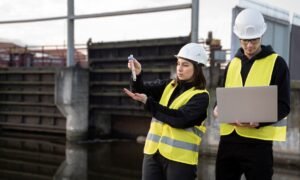
Underground utilities sit out of sight, yet they shape every construction and infrastructure project. Power lines, gas pipes, telecom cables, water mains, and sewer networks create a hidden layer of risk below the surface. One wrong cut or drill point can stop a project, trigger penalties, and put lives in danger.
Experienced field teams treat subsurface work with structured caution. They plan, verify, cross check, and document before excavation begins.
Below are eleven common underground utility risks and the practical steps teams use to prevent expensive and dangerous mistakes.
1. Incomplete Utility Mapping
Old drawings often miss rerouted lines, abandoned pipes, and undocumented additions. Relying only on legacy maps creates false confidence.
Prevention approach:
Teams combine historical drawings with modern detection methods. They verify routes using field surveys and subsurface scanning before ground disturbance. Updated field verified maps become the working reference.
2. Incorrect Depth Assumptions
Depth varies widely due to past repairs, erosion, resurfacing, and grading changes. Assuming standard depth leads to strikes.
Prevention approach:
Crews use depth verification tools and test pits at critical crossing points. They treat every crossing as variable instead of standard. Verification replaces assumption.
3. Signal Interference During Detection
Electronic locating tools can produce distorted signals near dense corridors or metallic structures. False readings shift marked paths.
Prevention approach:
Technicians run multiple scan passes using different frequencies and methods. They compare results across tools and confirm with visual exposure where risk is high. Cross verification reduces locator error.
4. Outdated Utility Records
Ownership changes, emergency repairs, and temporary diversions often never reach central records. Documentation lags reality.
Prevention approach:
Project teams contact all local utility owners directly before excavation. They request the latest field updates, not only database extracts.
Recent maintenance logs often reveal undocumented changes.
5. Congested Utility Corridors
Urban and industrial zones pack many services into narrow corridors. Overlap increases strike probability.
Prevention approach:
Teams widen survey zones beyond the immediate dig line. They model corridor density and adjust excavation methods. Vacuum excavation and hand exposure replace blind mechanical digging in crowded zones.
6. Poor Site Marking Visibility
Paint and flags fade, get removed, or shift during weather events and site traffic. Crews then dig against outdated marks.
Prevention approach:
Teams refresh markings frequently and record them with geo tagged photos. Daily pre work checks confirm mark integrity. No dig begins without mark validation.
7. Communication Gaps Between Office and Field
Design revisions sometimes stay in office files while field crews follow older plans. That disconnect creates exposure.
Prevention approach:
Strong teams run daily field briefings with the latest drawings and markups. Revision control stays strict. Only the latest approved version reaches the crew.
8. Mechanical Excavation Too Close to Known Lines
Heavy equipment speeds work yet increases damage risk near verified utilities.
Prevention approach:
Crews establish tolerance zones around known lines. Inside that buffer, only controlled methods such as hand digging or vacuum excavation operate. Speed gives way to precision near assets.
9. Misidentifying Abandoned Utilities
Some lines appear inactive yet still carry service or hazardous residue. Cutting them creates danger.
Prevention approach:
Teams verify status with the owning authority before removal or penetration. They test lines where possible. No line gets treated as abandoned without confirmation.
10. Ground Condition Misjudgment
Soil type affects detection accuracy and excavation stability. Wet clay, reinforced fill, and rocky layers distort readings and digging behavior.
Prevention approach:
Pre excavation soil assessment becomes standard practice. Detection method and excavation technique get adjusted to ground conditions. Method follows soil reality.
11. No Emergency Response Preparation
Even with strong controls, incidents can occur. Unprepared teams lose critical response time.
Prevention approach:
Professional crews maintain a utility strike response plan. Emergency contacts, shutdown procedures, and site isolation steps stay posted and rehearsed. Fast response limits damage and injury.
Closing Perspective
Subsurface risk management depends on layered verification. Maps, scans, records, markings, and controlled excavation work together. No single method gives full certainty.
Teams that prevent costly underground mistakes build habits of verification, communication, and cautious execution. Hidden infrastructure then becomes a managed variable instead of a dangerous surprise.
Read Also: 11 Common Underground Utility Risks And How Teams Prevent Costly Mistakes