
How AI is Actually Changing Healthcare Outcomes
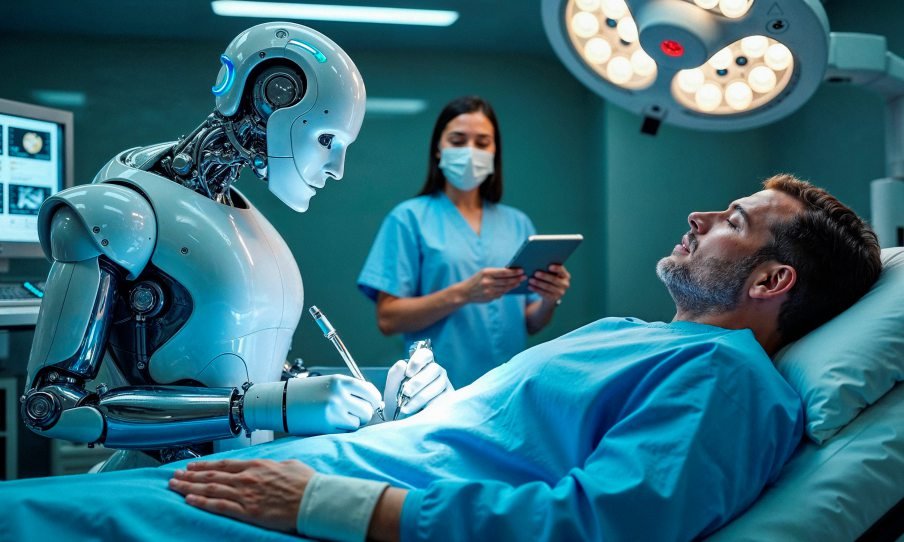
Artificial intelligence in healthcare is no longer just a buzzword. Hospitals now use AI systems to flag high-risk patients, support diagnosis, and monitor people remotely in ways that are already linked to fewer deaths, shorter hospital stays, and better access to care.
Recent reviews show that AI tools are improving diagnosis, predicting complications, and reducing mortality, especially in critical care and hospital settings. These are not experimental ideas sitting in labs. They are live systems influencing clinical decisions every day.
From Early Decision Support to Everyday Clinical Tools
The story started with rule based systems in the 1970s that tried to help doctors make decisions using “if–then” logic. Those tools were limited because they could not learn from new data.
Modern AI in healthcare is different. Machine learning and deep learning systems now train on millions of health records, images, and sensor readings. They continuously update as new data arrives. In the last decade, regulators have cleared dozens of AI tools for use in radiology, cardiology, ophthalmology, and emergency care.
For example, EyeArt is an FDA cleared AI system that can automatically detect referable and vision threatening diabetic retinopathy from retinal photographs without a specialist present. That kind of autonomy was unthinkable in the early days of AI.
Life Saving AI in Hospitals: Sepsis and Clinical Deterioration
Sepsis is one of the leading causes of death in hospitals worldwide. Early detection is hard because early signs look like many other conditions. AI is starting to shift that.
Several machine learning based alert systems now scan vital signs, lab results, and clinical notes in real time to spot sepsis and deterioration earlier than humans alone. A recent meta analysis found that AI based alerts for sepsis significantly reduced mortality by enabling faster interventions.
At UC San Diego Health, an AI model called COMPOSER used in the emergency department cut sepsis related mortality by 17 percent in a prospective study. Other early warning platforms have also reported reductions in deaths, length of stay, and organ failure when embedded into routine workflows rather than used as standalone gadgets.
The pattern is clear. When AI is tightly integrated into clinical systems and triggers clear actions, it helps teams rescue deteriorating patients earlier.
AI Screening Tools That Detect Cancer and Eye Disease Earlier
One of the most mature uses of AI is image based diagnosis, particularly in cancer and eye disease.
In breast cancer screening, large studies in Europe have shown that AI can act as a second reader for mammograms. A Swedish trial reported that replacing one human reader with AI in double reading increased cancer detection by about 4% while cutting radiologist workload in half. A more recent nationwide study in Germany found that adding AI to screening raised cancer detection by 17.6% without increasing false positives.
On the back of this evidence, the NHS in England has launched what it calls the world’s largest trial of AI for breast cancer diagnosis, involving around 700,000 mammograms across 30 centers. The goal is simple. Detect more cancers, sooner, without overloading staff.
In diabetic eye disease, AI systems have reached sensitivities and specificities above 85 percent for detecting referable diabetic retinopathy in many studies, matching or beating human graders. A recent systematic review focused on low and middle income countries found that AI tools for diabetic retinopathy screening generally showed good accuracy and helped reduce screening costs and workload.
Real world deployment is happening too. AIIMS in Delhi, together with India’s health ministry and partners, has developed the MadhuNETrAI app, which uses AI to detect diabetic retinopathy from retinal images. Early testing has shown over 95 percent detection accuracy on thousands of images, and the tool is designed to work in primary care settings without on site ophthalmologists.
Remote Monitoring, Wearables, and Predictive Analytics
AI does not only live inside hospital servers. It is also inside wearables and remote monitoring platforms.
AI powered analysis of continuous data from smartwatches, patches, and home devices can now flag worsening heart failure, arrhythmias, or deteriorating chronic disease control before patients feel seriously unwell. A recent review reported that AI enabled remote monitoring reduced hospital readmissions for chronic diseases by about 22 percent when combined with structured follow up.
In intensive care, AI models forecast which patients are likely to need ventilation, develop organ failure, or die within a specific time window. These predictions help teams allocate beds, staff, and treatments more effectively and have been associated with better survival in several critical care studies.
As computing moves closer to the patient through edge devices, this kind of predictive monitoring will become even more common in homes and community settings, not only in ICUs.
Risks, Bias, and Regulation: The Human Guardrails
None of this is magic. AI systems can fail in ways that matter.
Many models perform well on the data they were trained on, but their accuracy drops when used on new populations, hospitals, or devices. Bias can creep in if training data underrepresents certain ethnic groups, genders, or socioeconomic backgrounds. That can worsen existing health inequalities.
Regulators and professional societies now stress transparency, clinical validation, and ongoing monitoring. Reviews of AI in maternal health, for example, see strong potential for reducing maternal mortality, but also highlight the need for careful integration, user trust, and supportive policy.
Good design keeps clinicians in the loop. The most promising systems support human decisions rather than replace them, provide explanations or risk scores, and fit naturally into existing workflows instead of adding extra clicks.
The Future: Smarter Tools, More Human Care
AI in healthcare is still in its early chapters, but the direction is visible.
Sepsis alerts, cancer imaging support, diabetic eye screening, remote monitoring, and early warning systems are already showing measurable reductions in deaths and complications in well designed studies and deployments around the world.
The next wave will likely combine genomics, lifestyle data, and continuous monitoring into highly personalised treatment plans, while also expanding low cost AI tools into clinics that currently lack specialists.
For patients, the message is simple. AI is not replacing your doctor. It is becoming part of the medical team that watches over you, catches problems earlier, and frees clinicians to focus on what only humans can do listening, explaining, and caring.
No algorithm can do that part.
Read More Articles: Click Here