
Why IoT Security Matters: Protecting Your Smart Devices and Data
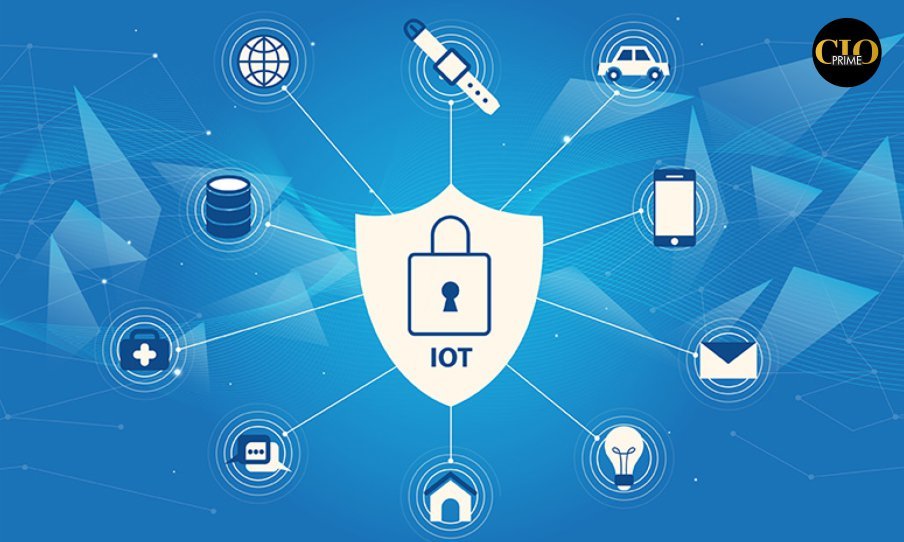
The Internet of Things (IoT) has changed how people live, work, and interact with technology. From smart thermostats that adjust temperatures automatically to wearable devices tracking health, IoT is everywhere.
By 2026, the number of connected devices is expected to exceed 25 billion. That is a staggering number. Each device collects and transmits data, making life easier. But this convenience comes with risks. Weak security in IoT devices can expose sensitive personal information and create vulnerabilities in larger networks. This is why IoT security matters. It is not just about protecting a device; it is about safeguarding data, privacy, and trust.
Understanding IoT Security
IoT security refers to the set of measures designed to protect connected devices and the data they generate or transmit. These devices could range from simple household appliances to complex industrial machinery. Every device in an IoT network can be a potential entry point for attackers. This means security must be considered from the design stage through the device’s lifecycle.
IoT security includes safeguarding the hardware, software, and communication channels. It also means managing updates, authentication, and data encryption. The complexity of IoT security comes from the variety of devices and the lack of standardization in the industry. Many IoT devices operate with limited computing power, making advanced security measures challenging. However, ignoring security leaves systems vulnerable.
Why IoT Security Matters for Smart Devices
IoT devices have become deeply integrated into daily life. They monitor health, control home environments, manage industrial operations, and support cities’ infrastructure. A breach in any of these areas can have far-reaching consequences.
Consider a smart home. If security is weak, a hacker could gain control over locks, cameras, or alarms. That could put personal safety at risk. In healthcare, IoT devices store sensitive patient information. Any breach could expose medical history and personal data. In industrial settings, compromised IoT devices can disrupt manufacturing or supply chains, causing financial losses and reputational damage.
IoT security matters because it safeguards both the device and the system it connects to. It ensures trust in technology, which is essential for adoption. Without trust, even the most advanced IoT solutions cannot succeed.
Risks of Weak IoT Security
Weak IoT security creates a range of risks, from data theft to operational disruptions. One major risk is unauthorized access. Poor password management, outdated firmware, or unsecured networks can allow attackers to infiltrate devices.
Another risk is data interception. Many IoT devices transmit information without encryption, leaving data exposed during transmission. This data could include personal details, health information, or business-critical metrics.
IoT devices can also be hijacked for larger attacks. In 2016, a botnet made up of infected IoT devices caused one of the largest distributed denial-of-service (DDoS) attacks in history. This shows that weak IoT security can affect not just the device owner but entire networks.
The impact of weak security goes beyond technical concerns. Privacy violations, financial loss, and erosion of trust can result. For organizations, a security breach can damage brand reputation and lead to legal liabilities.
How to Protect Your Smart Devices and Data
Protecting IoT devices begins with awareness and simple steps that anyone can take. First, always change default passwords. Manufacturers often ship devices with default credentials that are easy for hackers to guess. Strong, unique passwords are essential.
Second, keep devices updated. Firmware updates often contain security patches. Ignoring them leaves devices vulnerable.
Third, use secure networks. Public Wi-Fi and unsecured networks can expose IoT devices to attacks. Using virtual private networks (VPNs) or segregating IoT devices on separate networks adds a layer of protection.
Fourth, enable encryption wherever possible. Encrypted communication ensures that data remains safe even if intercepted.
For businesses managing large IoT networks, security should be part of the design process. This means implementing endpoint protection, regular vulnerability scanning, and strong access controls. Security policies should be reviewed regularly to keep up with evolving threats.
Consumers should also evaluate the security track record of the devices they buy. Opting for devices from reputable manufacturers who prioritize security reduces risk.
IoT Security Trends and Future Outlook
IoT security is evolving alongside technology. Manufacturers are increasingly integrating security into the hardware and software design. AI and machine learning are being used to detect anomalies in real time, allowing faster responses to threats.
Regulations are also shaping the future of IoT security. Governments are introducing standards to ensure manufacturers follow best practices. These regulations will likely make security a mandatory aspect of IoT development.
Another trend is the rise of decentralized security models. Blockchain technology, for example, offers possibilities for securing IoT networks without relying on central control. This could make IoT systems more resilient against attacks.
Despite progress, challenges remain. The growing number of connected devices increases the attack surface. Devices with limited computing resources will always face difficulties in implementing advanced security measures. Therefore, education, awareness, and ongoing vigilance are critical.
Final Takeaway
The expansion of IoT is creating incredible opportunities but also significant risks. Every connected device can be a doorway for cyber threats if security is overlooked. IoT security matters because it is the foundation of trust in the connected world. It is about protecting data, privacy, and the reliability of systems people depend on every day.
Smart device security begins with simple actions like updating firmware, changing default credentials, and using secure networks. For businesses, it means embedding security in design, enforcing policies, and staying ahead of evolving threats.
The question is not whether IoT security will matter in the future. It already does. As the IoT landscape grows, the responsibility to protect devices and data will only intensify. Security will not remain optional; it will become a necessity for anyone who values safety, privacy, and trust.
Read More Articles: Click Here